The Biggest Fear Seniors Have About AI: Scams, Fraud, and Losing Trust in Technology





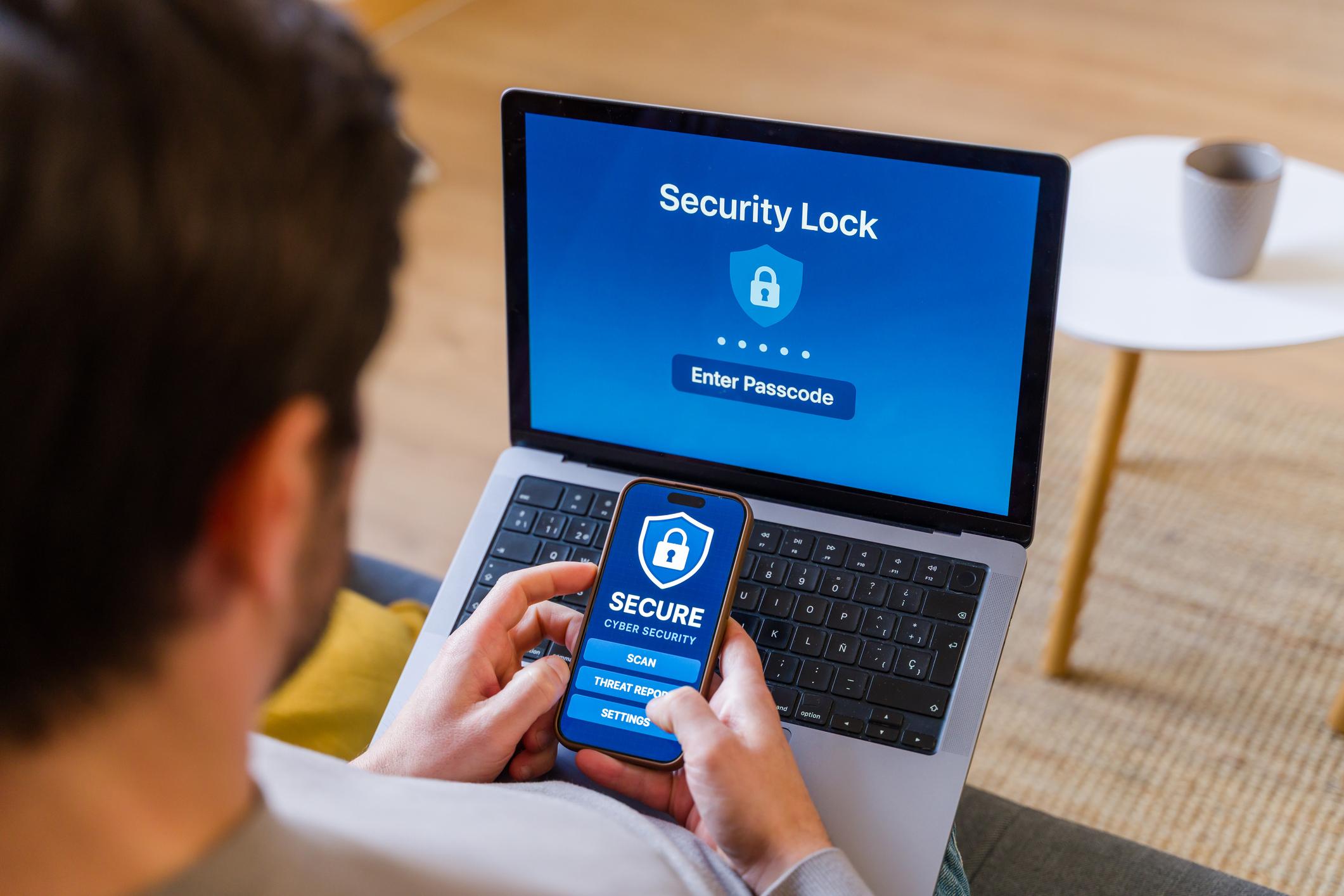


Introduction: Why Many Seniors Are Concerned About Artificial Intelligence
Artificial Intelligence (AI) is everywhere today.
It helps answer questions, recommends movies, writes emails, assists doctors, powers smartphones, and even helps people learn new skills. AI can be useful, exciting, and incredibly convenient.
But for many seniors, AI also raises serious concerns.
And the number one fear older adults have about AI is simple:
Scams and fraud.
Many seniors worry that criminals are using AI to:
- Steal money
- Impersonate family members
- Create fake voices
- Send realistic scam emails
- Spread false information
- Steal personal identity information
And unfortunately, those fears are not imaginary.
Studies from organizations including AARP and aging research groups consistently show that older adults are deeply concerned about how AI may be used dishonestly.
The good news?
Knowledge is one of the best forms of protection.
This article will explain:
- Why seniors are worried about AI scams
- How AI scams work
- Common warning signs
- How to protect yourself
- Why AI itself is not the enemy
Most importantly, this guide is written in simple, easy-to-understand language designed especially for seniors.
What Makes AI Scams So Dangerous?
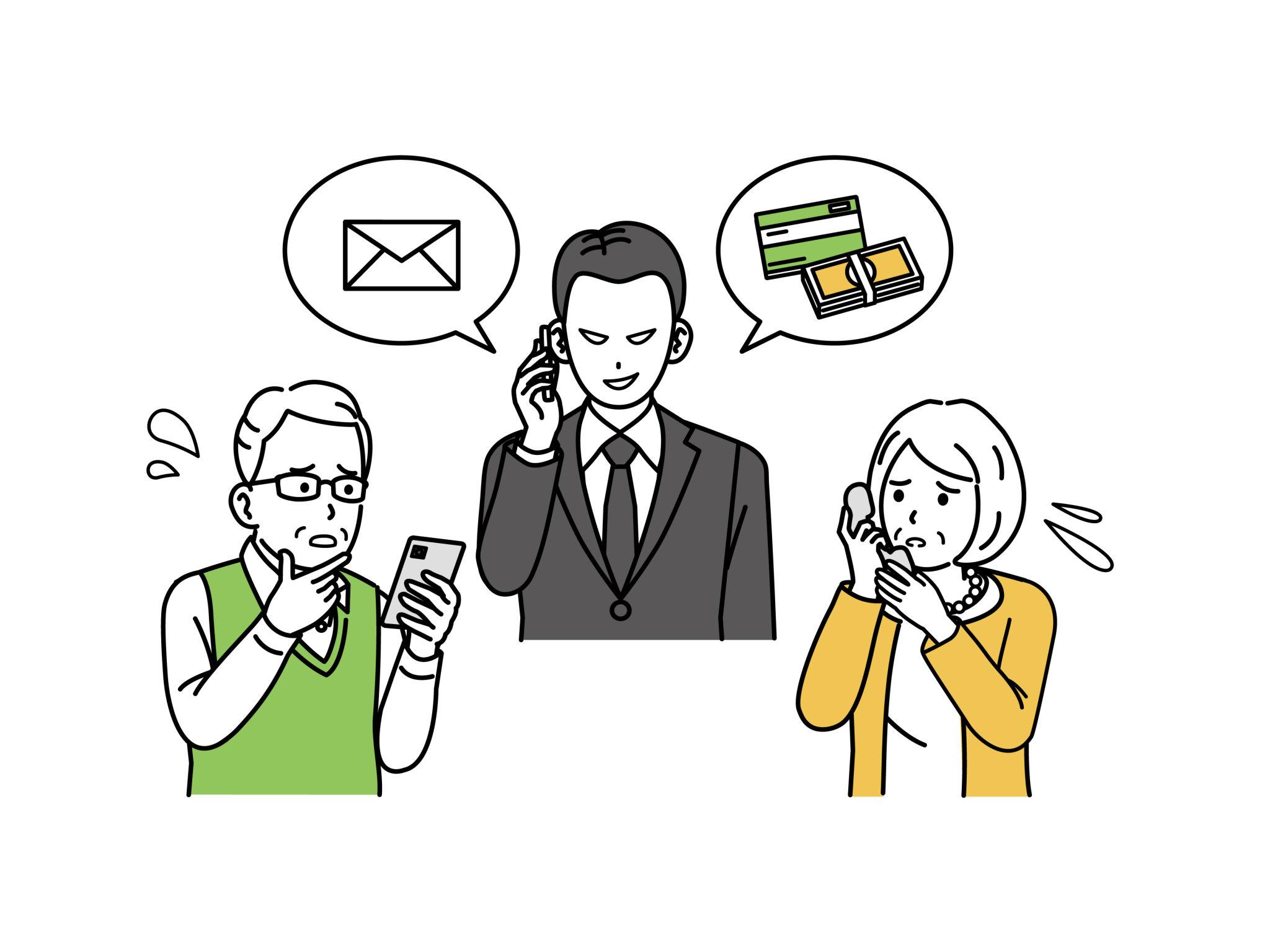


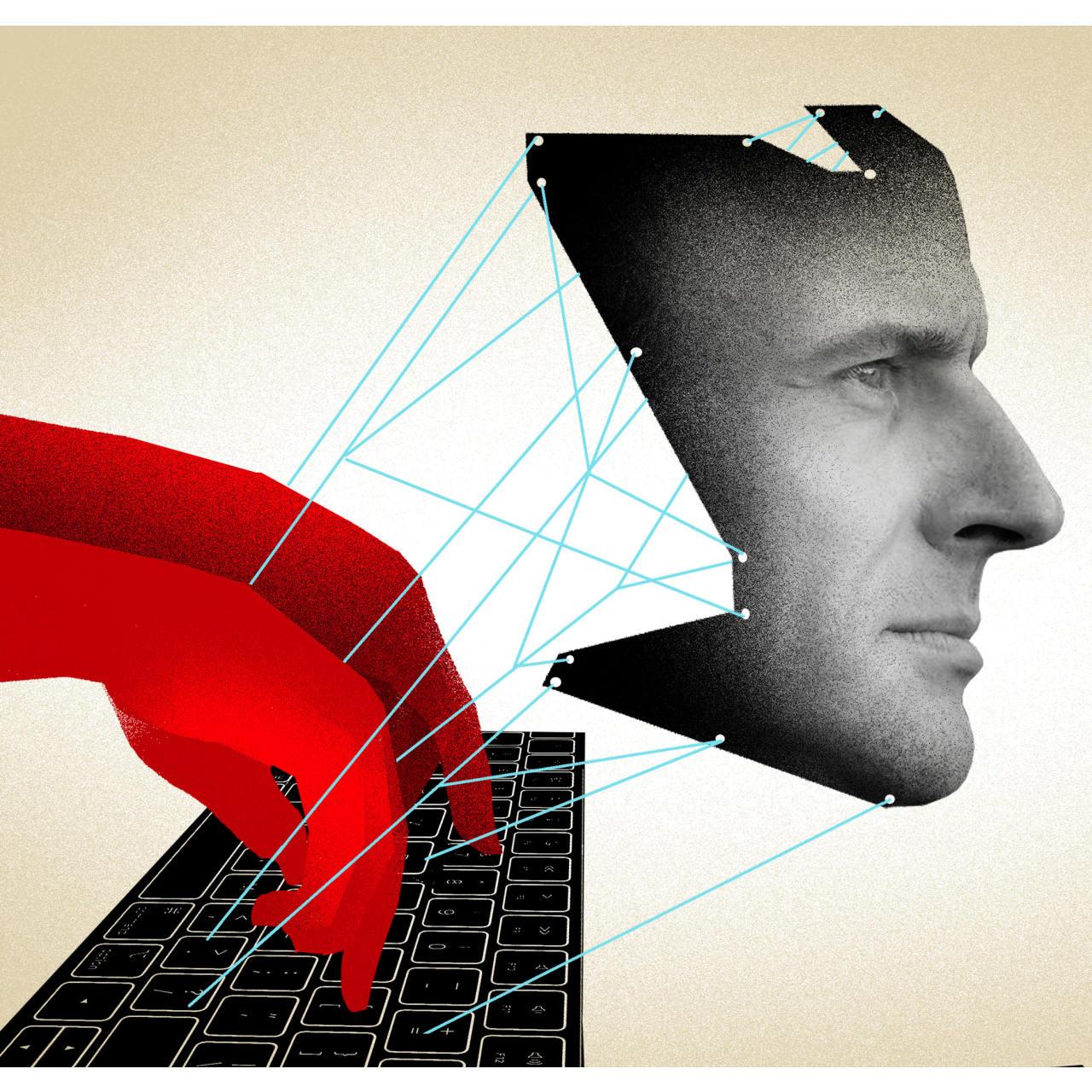

Years ago, scams were often easy to spot.
Maybe a poorly written email promised millions of dollars from a foreign prince.
Today?
AI allows scammers to create:
- Realistic voices
- Professional-looking emails
- Fake videos
- Cloned family voices
- Convincing text messages
These scams can look and sound very real.
That’s what makes them dangerous.
The Rise of Voice Cloning Scams
One of the most frightening AI scams today involves voice cloning.
Here’s how it works:
A scammer may take a short recording from:
- Social media videos
- Facebook posts
- TikTok clips
- Voicemail recordings
AI can then imitate that person’s voice.
Imagine receiving a phone call that sounds exactly like your:
- Grandson
- Daughter
- Son
- Spouse
The caller says:
“Grandma, I’m in trouble and need money right away.”
Many people panic emotionally before they stop to think.
That’s exactly what scammers want.
Deepfake Videos Are Becoming More Realistic

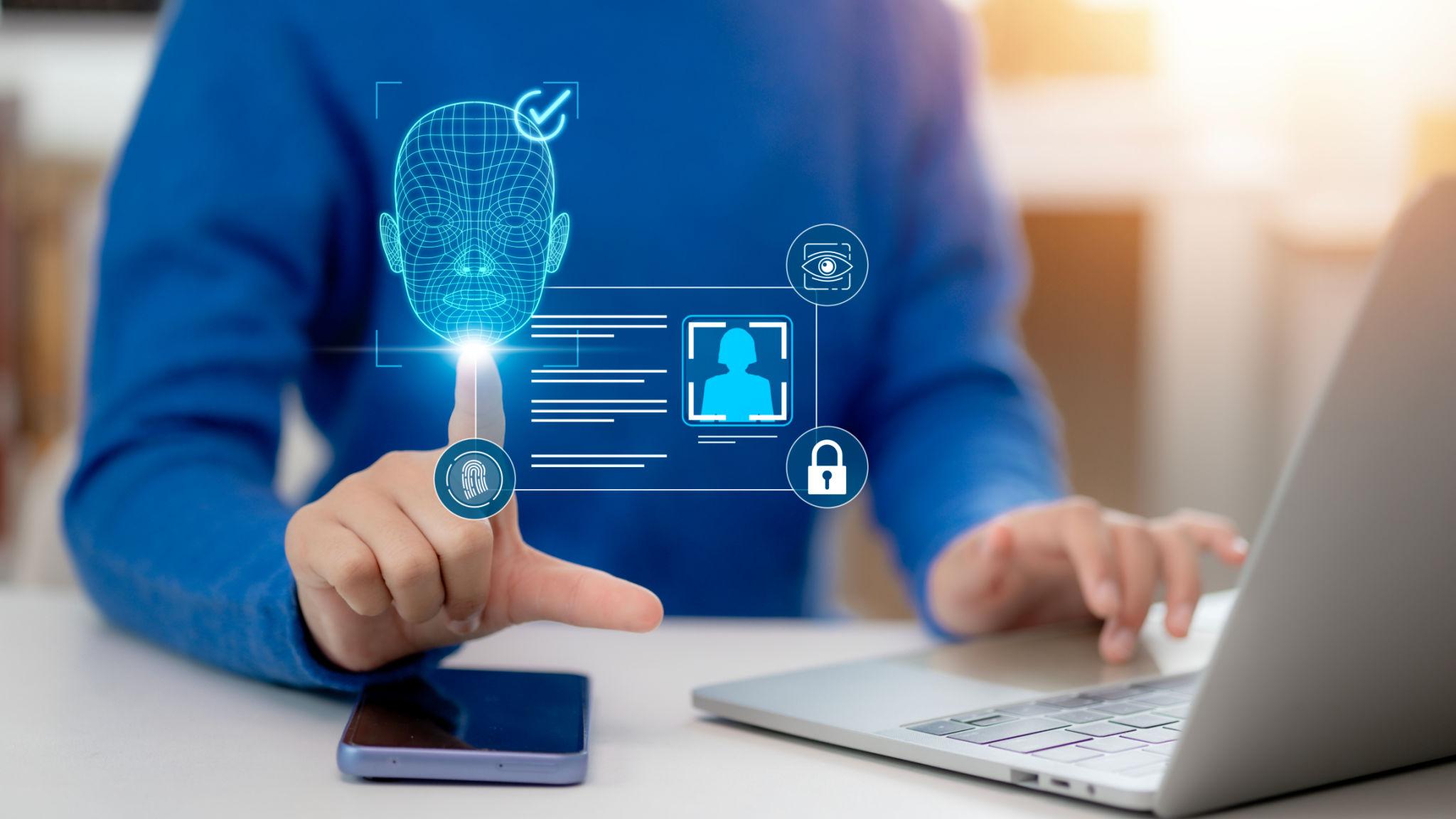




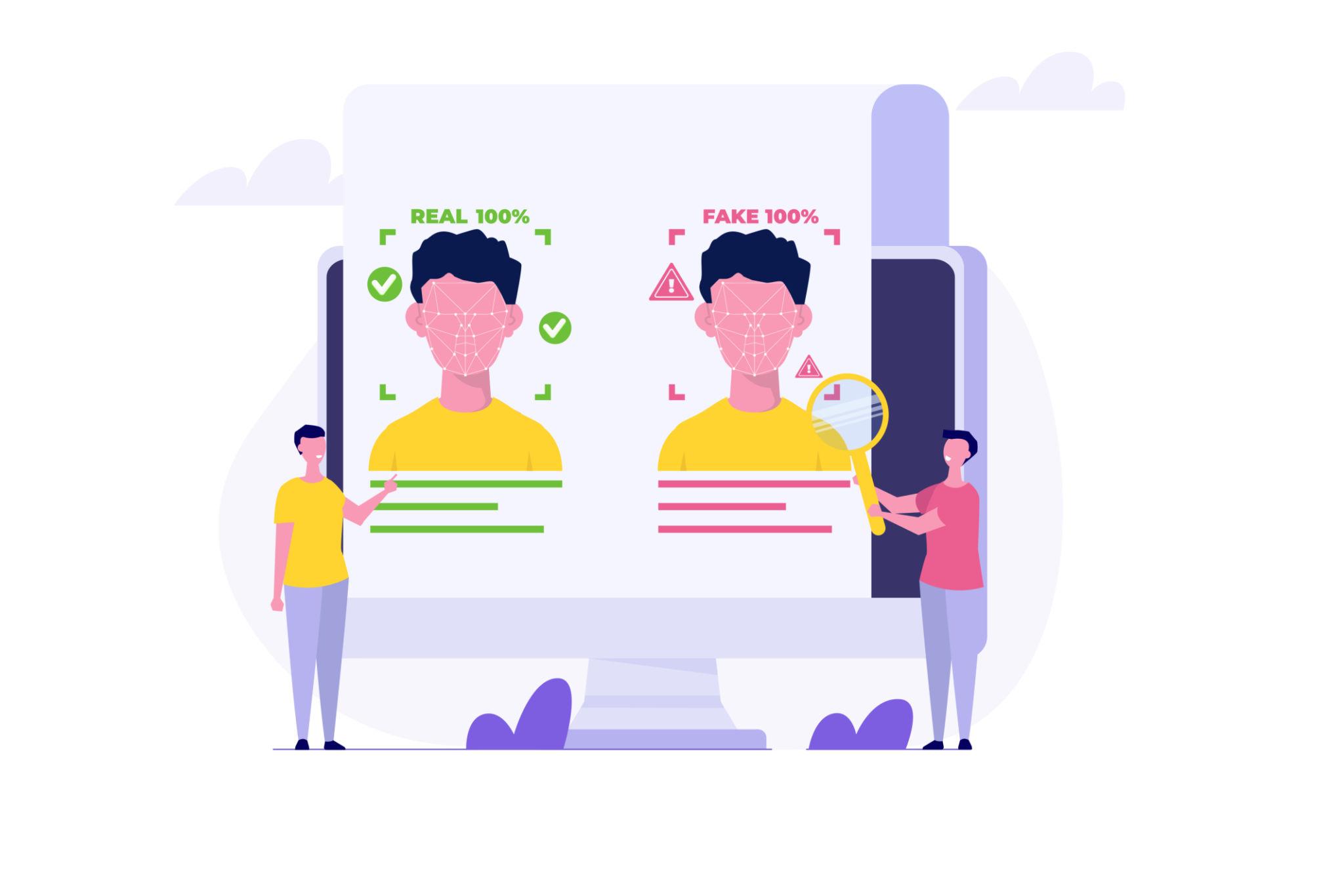
AI can now create fake videos called “deepfakes.”
These videos can make someone appear to:
- Say things they never said
- Promote fake investments
- Ask for money
- Spread misinformation
Sometimes these fake videos use:
- Celebrities
- Politicians
- Doctors
- Financial experts
This makes false information harder to recognize.
Studies show nearly half of older adults are not fully confident they can identify AI-generated misinformation.
That concern is understandable.
Fake Emails and Text Messages
Another growing problem is AI-generated phishing messages.
These fake emails often:
- Look professional
- Use correct spelling
- Include official-looking logos
- Sound friendly and believable
Examples:
- Fake Medicare notices
- Bank alerts
- Amazon delivery problems
- Fake password reset emails
AI helps scammers write convincing messages much faster than before.
Why Seniors Are Often Targeted
Sadly, scammers frequently target older adults because they believe seniors:
- Are more trusting
- May not be familiar with new technology
- Often answer phone calls
- May have retirement savings
But here’s something important:
Being targeted does NOT mean someone is unintelligent.
Scammers are professionals at emotional manipulation.
Anyone can be fooled.
The Emotional Side of AI Scams



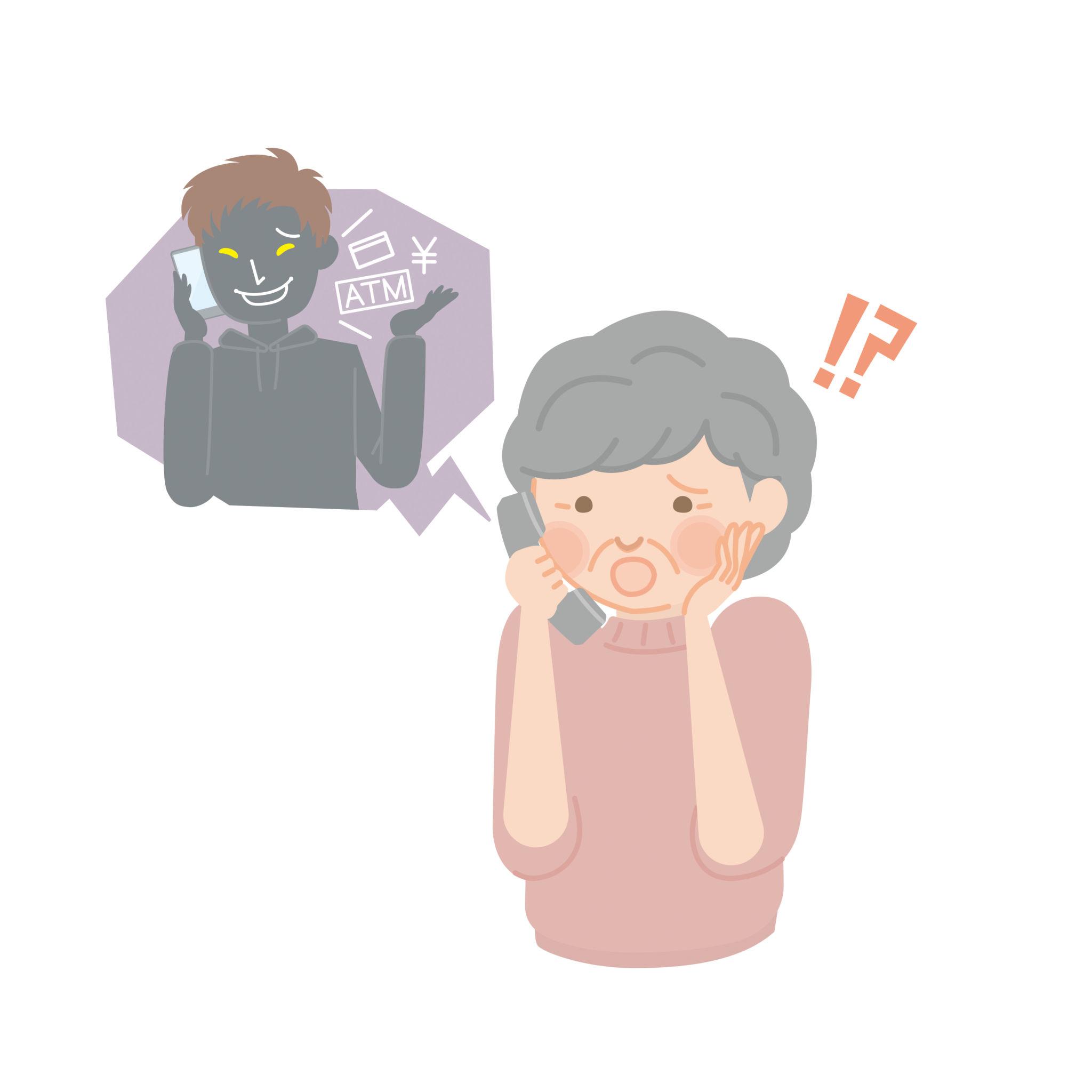



Many AI scams are designed to create:
- Fear
- Urgency
- Panic
- Confusion
Scammers may say:
- “Act now!”
- “Your account is locked!”
- “A family member is hurt!”
- “You’ll be arrested!”
When emotions rise, logical thinking often decreases.
That’s why slowing down is one of the best defenses.
How Seniors Can Protect Themselves
The good news is there are simple ways to stay safer online.
1. Slow Down
Never rush.
Scammers want fast decisions.
Take a moment to think.
2. Verify Family Emergencies
If someone claims to be a relative needing help:
- Hang up
- Call the family member directly
- Use a known phone number
Never trust caller ID alone.
3. Never Send Money Quickly
Especially through:
- Gift cards
- Wire transfers
- Cryptocurrency
- Payment apps to strangers
These are major scam warning signs.
4. Be Careful with Personal Information
Never give out:
- Social Security numbers
- Medicare numbers
- Banking information
- Passwords
Legitimate companies rarely ask for this unexpectedly.
5. Use Strong Passwords
Simple passwords are easier to hack.
Good passwords include:
- Letters
- Numbers
- Symbols
Example:
SunnyDay#1958
Avoid:
- Birthdays
- Pet names only
- “password123”
6. Ask Someone You Trust
If something feels suspicious:
- Ask family
- Ask a friend
- Ask your bank
- Ask a tech-savvy person
There’s no shame in double-checking.
Seniors Also Worry About Privacy

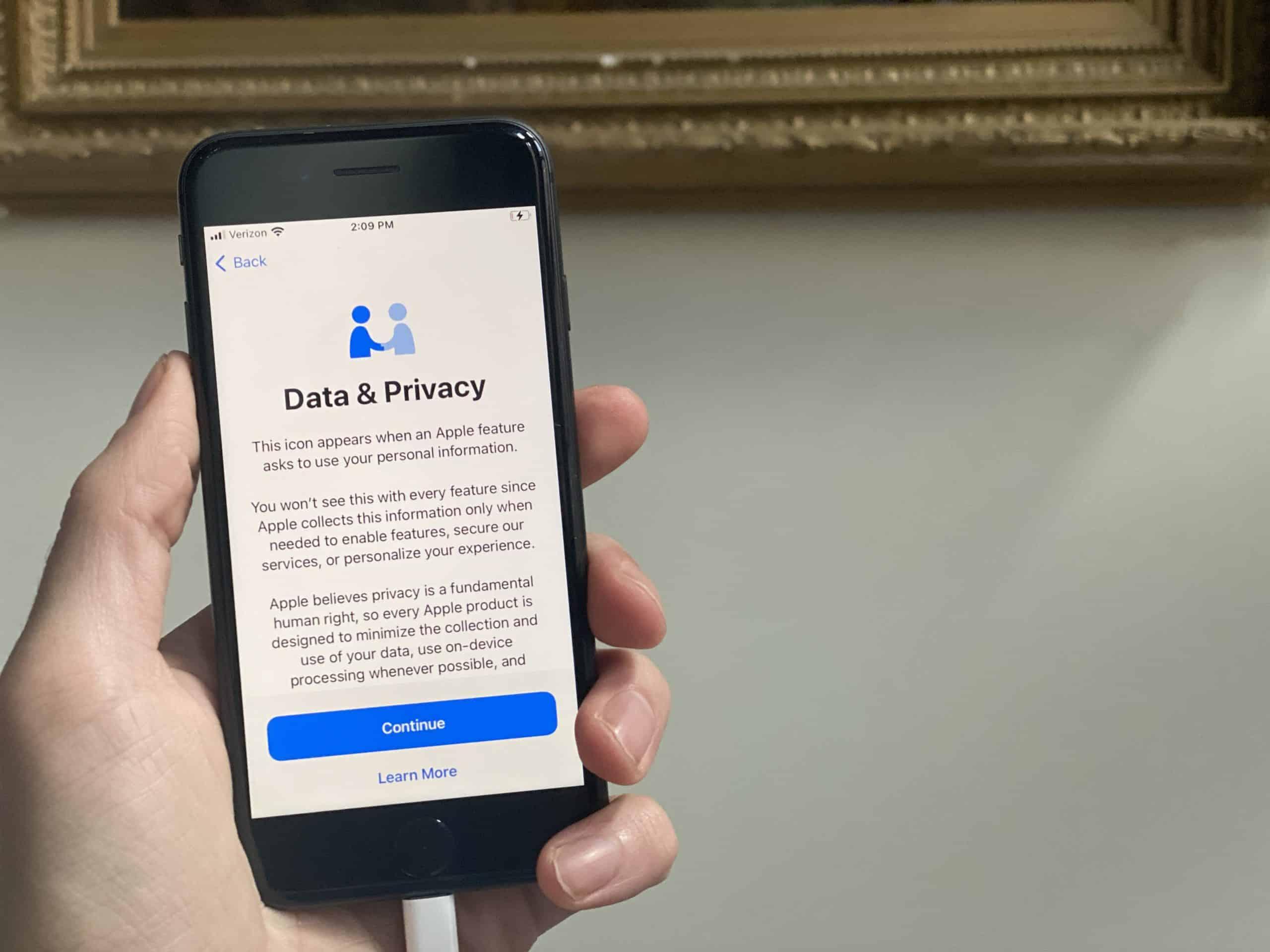

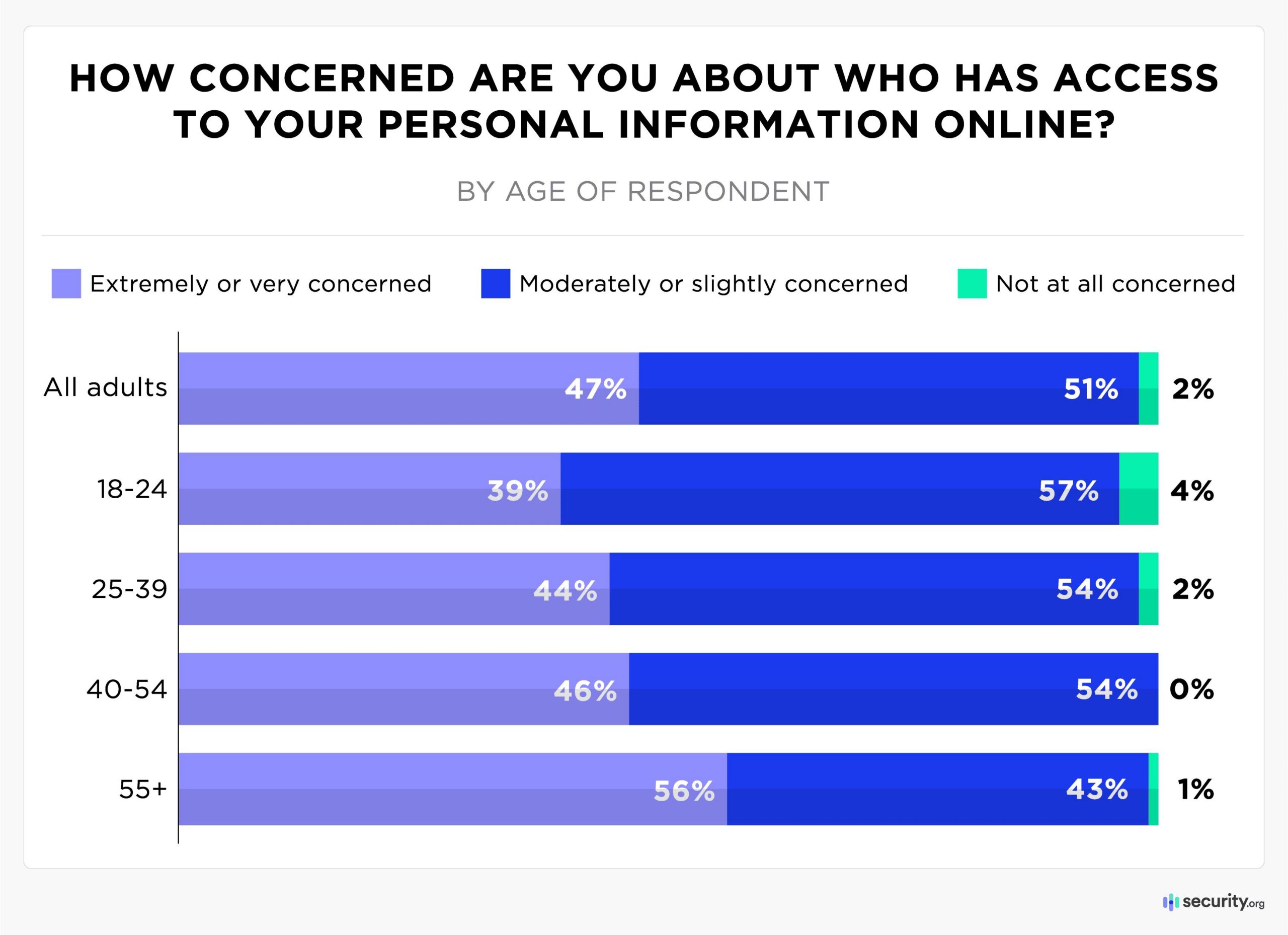

Another major concern is privacy.
Many seniors worry AI devices may collect:
- Personal conversations
- Health information
- Shopping habits
- Medical records
And honestly?
That concern is reasonable.
Many apps and devices collect data today.
That’s why it’s important to:
- Read privacy settings
- Avoid oversharing online
- Use trusted websites
- Update passwords regularly
The Fear of Losing Human Interaction
One concern that surprises many younger people is this:
Seniors worry AI may replace human connection.
Research shows many older adults fear:
- Doctors relying too much on AI
- Customer service becoming robotic
- Less compassion in healthcare
- Fewer real conversations
Over 65% of seniors express concern about losing the “human touch” in important services.
And honestly, that concern makes sense too.
Technology should help people—not replace kindness.
Can AI Be Helpful for Seniors?
Absolutely.
Despite the concerns, AI also has positive uses.
AI can help seniors with:
- Medication reminders
- Brain games
- Learning technology
- Writing emails
- Finding recipes
- Health information
- Video captions for hearing difficulties
- Companionship chatbots
The goal is balance.
Use AI as a tool—not as a replacement for real human relationships.
How to Recognize Possible AI Misinformation

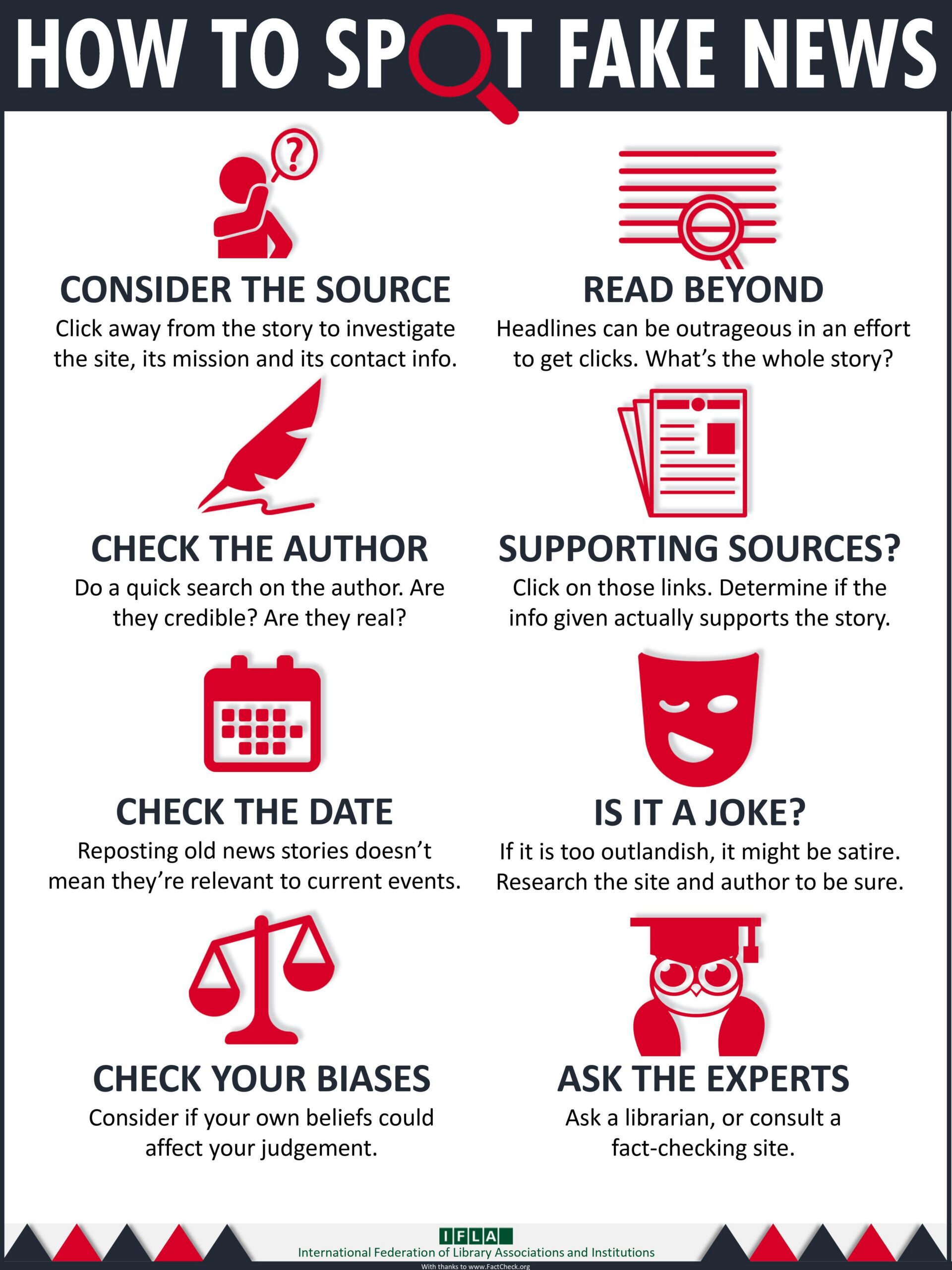


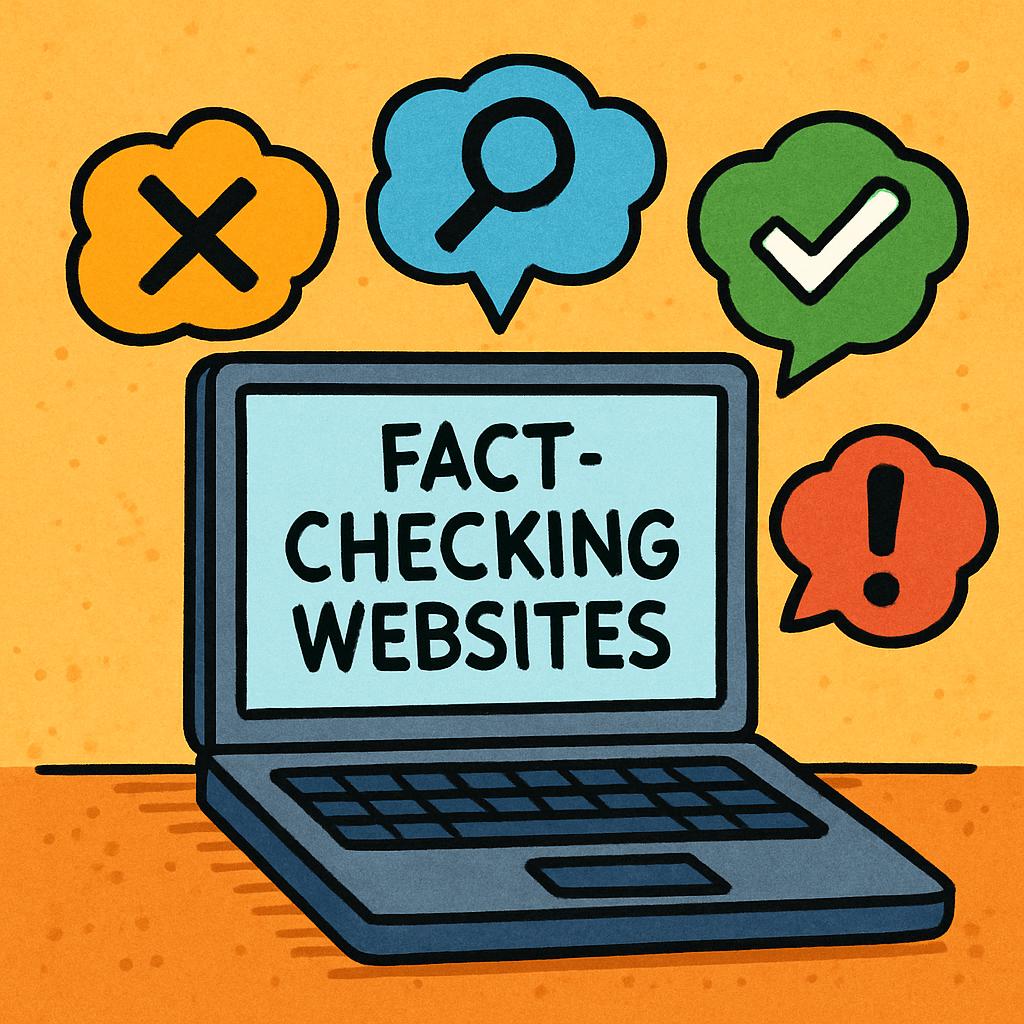
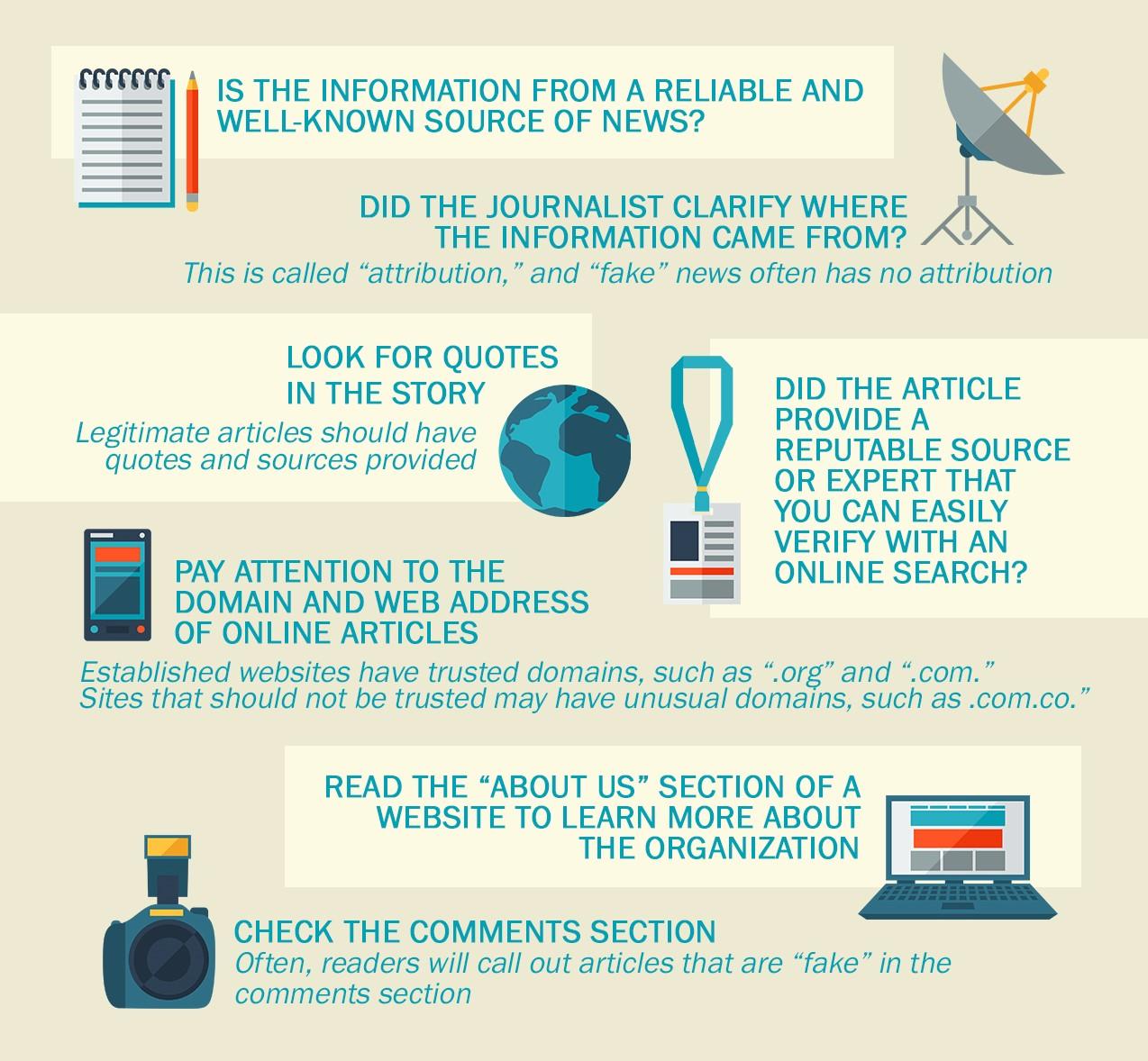


Because AI can generate fake information, seniors should learn simple fact-checking habits.
Warning Signs:
- Emotional headlines
- “Too good to be true” claims
- Requests for money
- Pressure to act immediately
- Strange website addresses
- Videos with unnatural movements or audio
Helpful Tip:
Check multiple trusted news sources before believing shocking claims.
The Importance of Digital Education
One of the best protections against AI scams is education.
Seniors who understand:
- Basic technology
- AI risks
- Scam warning signs
…are much harder to fool.
That’s why websites like SeniorCitizens.ai are important.
Knowledge builds confidence.
And confidence reduces fear.
Family Members Also Play an Important Role
Families can help seniors by:
- Discussing scam risks openly
- Setting up security tools
- Reviewing suspicious messages together
- Practicing scam scenarios
Patience matters.
Technology can feel overwhelming at times.
AI Is Not the Enemy
This may be the most important point in this article.
AI itself is not evil.
Just like:
- Phones
- Cars
- Television
- The internet
AI is a tool.
The danger comes from dishonest people using it improperly.
The goal should not be fear.
The goal should be:
- Awareness
- Education
- Smart habits
- Confidence
Simple Safety Checklist for Seniors
✅ Pause before reacting emotionally
✅ Verify emergency calls
✅ Never send gift cards to strangers
✅ Double-check suspicious emails
✅ Use strong passwords
✅ Ask questions
✅ Stay informed
✅ Keep learning
Final Thoughts
Artificial Intelligence is changing the world quickly.
And yes—there are real risks.
Scams, fake voices, misinformation, and privacy concerns are all valid worries for seniors today.
But fear should not stop older adults from learning about technology.
In fact, understanding AI may be one of the best ways to stay protected.
Remember:
The more informed you are, the harder you are to fool.
Technology will continue changing.
But wisdom, caution, and common sense are still powerful tools.
And seniors have plenty of those.
Helpful Resources
For additional information, seniors can explore:
Question for Readers
Have you ever received a suspicious phone call, email, or text message that seemed too real?
Sharing experiences may help protect others too.